
Orlando Ballet’s Emotions In Motion
Program Funded: Emotions in Motion
Year Funded: 2026
Emotions In Motion: How Orlando Ballet and Victim Services Center Are Using Dance to Heal
A free program is helping trauma survivors find freedom through movement: one emotion at a time. When the Orlando Ballet and the Victim Services Center of Central Florida first sat down together, they started with a simple question: How can movement help healing? The answer became Emotions In Motion: a program that has quietly changed lives since launching in 2023.
How It Works
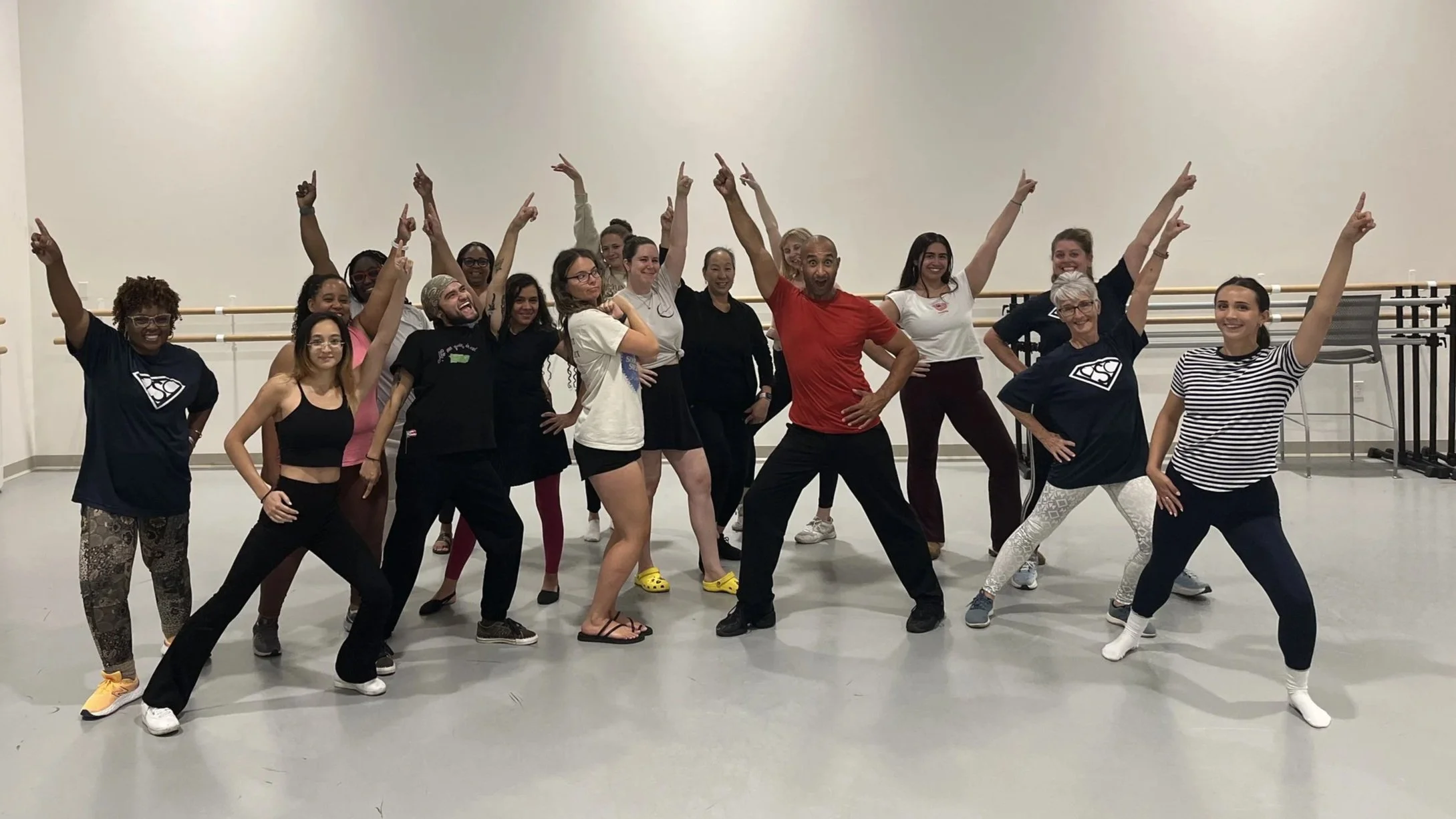
Each series consists of 10 classes with 20 to 22 participants. Over the course of those classes, the group works through five different emotions, all chosen by the participants themselves. There are no rigid choreography expectations. No dance experience required. The focus is on giving people tools they can carry with them as they move forward in their lives. “As collaborations go, this has been a dream.” said Shane Bland, Orlando Ballet’s Director Community Enrichment. Bland is also struck by the amount of joy and happiness in the room during class. “Yes, it’s a program full of trauma survivors, but there is a sense of community and comfort. People feel very close to one another very quickly, and they feel safe, so they can open up.”
Who Can Participate
The program is open to anyone — not just clients of the Victim Services Center. While most participants so far have been women, all people are welcome. Participants go through a screening process to make sure the program is a good fit for them. And it’s completely free. Since 2023, five series have been completed, and more than 100 participants have gone through the program.
In Their Own Words
The people who have experienced Emotions In Motion describe it as nothing short of transformative. “Keep doing what you’re doing. You are saving lives by including marginalized communities or shining light on people that are in the dark. Community and visibility is what I’ve felt. Thank you for accepting me, seeing me and celebrating me. I’ve never been so connected with myself and others. I feel joy and hungry to LIVE!”
“I am so grateful for these series. I am able to let go and be myself without any constraints. I have worked through emotions I didn’t know I had. I’ve been given permission to be free to take care of me. Here I am included and anonymous simultaneously.”
“This class has been a great experience. It was a fun reminder of childhood playfulness and light-hearted participation. The safe space created in the studio is priceless.”
“I can tell this is such a labor of love. Thank you for giving yourselves to it and not asking us to do anything you didn’t model. I’ve really not taken for granted the permission to be clumsy and grateful and messy and beautiful.”
“Love this and you all. So grateful to be able to do this and be the first or only/few of the women in my heritage/line to get to heal in this way.”
A Model for Community Healing
Emotions In Motion sits at the intersection of art and mental health — a space where somatic movement meets trauma-informed care. As one participant put it: “I love this. It can help so many people who don’t know how to process trauma and grief. All the therapists are rock stars.”
The program doesn’t ask participants to talk about what happened to them. It asks them to move. To feel. To take up space. And for many, that’s exactly what healing looks like. This innovative model is why the Pabst Steinmetz Foundation chose Emotions in Motion as a 2026 grant recipient. PSF looks to encourage community collaborations such as this between Orlando Ballet and the Victim Services Center, to meet a need in a new way, that others can learn from and potentially replicate.
Courtesy: Orlando Ballet